
2026-09-20 · Rick Bauer
DIY Exclusion Basics Before Calling for Rodent Control
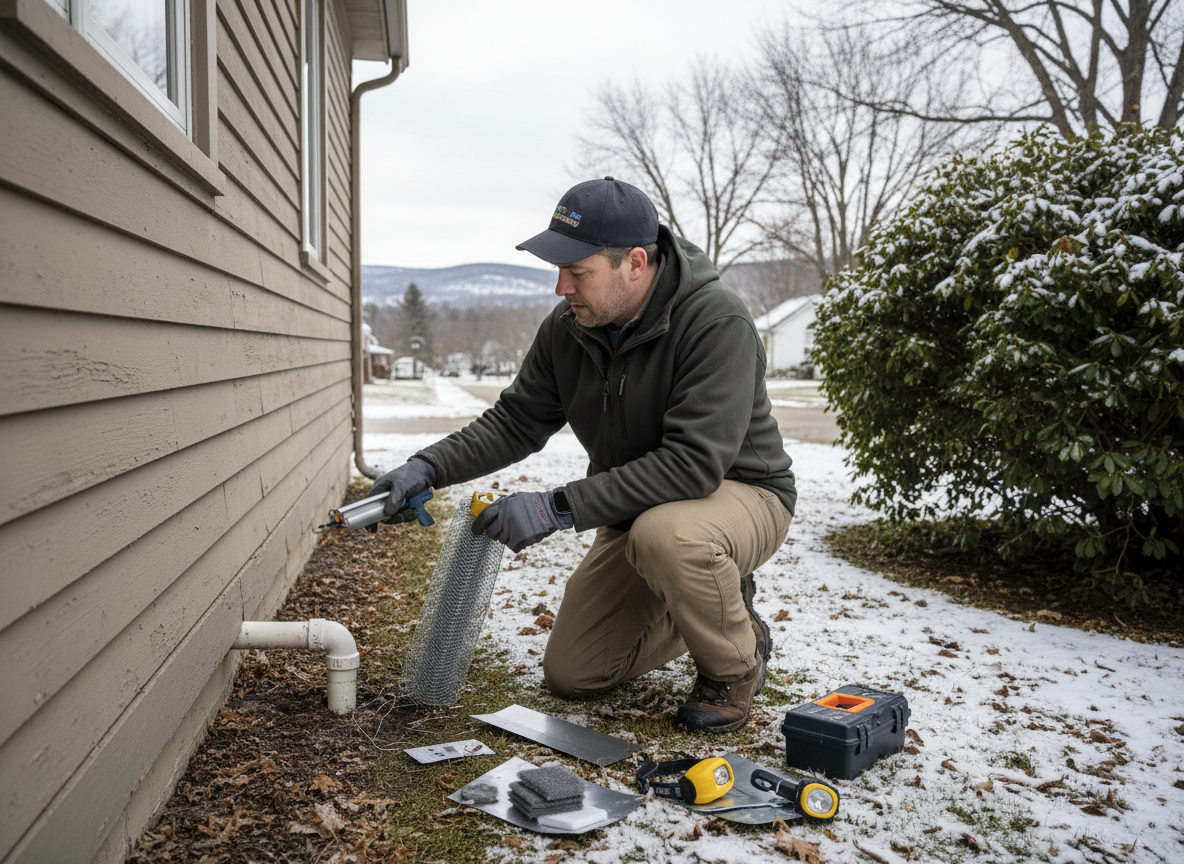
Effective DIY exclusion begins by sealing every opening larger than 1/4 inch around the exterior of Marathon County homes, which stops most mice and rats from entering during the long cold winters typical of the region. Homeowners in Downtown Wausau and along the East Side often see results after focusing on foundation cracks, utility penetrations, and roofline gaps that form in older housing stock. The humid continental climate brings freeze-thaw cycles that widen these openings each spring, so checking them before winter sets in prevents the seasonal influx that also affects nearby Stevens Point and Marshfield properties.
Spotting Potential Entry Points in Local Homes
Walk the perimeter of homes in Rib Mountain and the West Side during daylight to locate gaps where siding meets the foundation or where pipes enter the structure. Mice fit through holes the size of a dime while rats need only a quarter-sized opening, so measure each one with a ruler rather than guessing. Check soffits near the Wisconsin River where moisture accelerates wood rot and creates larger access routes. Pay special attention to dryer vents and cable entries common in 1950s–1970s builds found throughout Schofield and the Southeast Side. Document each spot with photos so follow-up work stays organized.
Materials and Techniques for Effective Sealing
Use 1/4-inch galvanized mesh to cover larger openings, then apply exterior-grade caulk or expanding foam rated for Wisconsin temperature swings. Stuff steel wool into small holes before caulking to keep rodents from chewing through softer materials. On homes near Athletic Park or Longfellow, install metal flashing along roof edges where squirrels and rats gain roof access. Replace damaged weatherstripping on doors with 1/8-inch thick rubber strips that hold up better than vinyl in sub-zero conditions. Work from the ground up, finishing with a final inspection after the first hard freeze to catch any new gaps created by shifting soil.
Addressing Seasonal Challenges in Central Wisconsin
Long winters push rodents indoors once temperatures drop below freezing for more than a week, making fall the best window for exclusion work in Wausau neighborhoods. Homes on the Northwest Side near wooded edges see higher activity because mice follow field edges into structures when snow covers natural food sources. Check attic vents and chimney caps before November, since warm summer attics become winter shelters once the first snow arrives. Properties in Weston and Rothschild often need extra attention around crawl-space vents that stay open year-round. Re-inspect every opening after spring thaw because ice expansion can reopen sealed gaps within a single season.
Knowing When DIY Falls Short
If new droppings appear within two weeks of sealing or scratching sounds continue in walls, schedule a professional inspection rather than repeating the same steps. Older homes in Forest Park and Jones may have hidden voids behind plaster that standard exterior work cannot reach. Link to detailed guidance on inspection processes in Central Wisconsin homes to understand what trained eyes check next. When activity persists across multiple seasons, exclusion alone rarely resolves entrenched issues in rental properties or multi-unit buildings common on the East Side. At that point, targeted Rodent Control becomes the practical next step for lasting results.